Since 2009
Since 2009


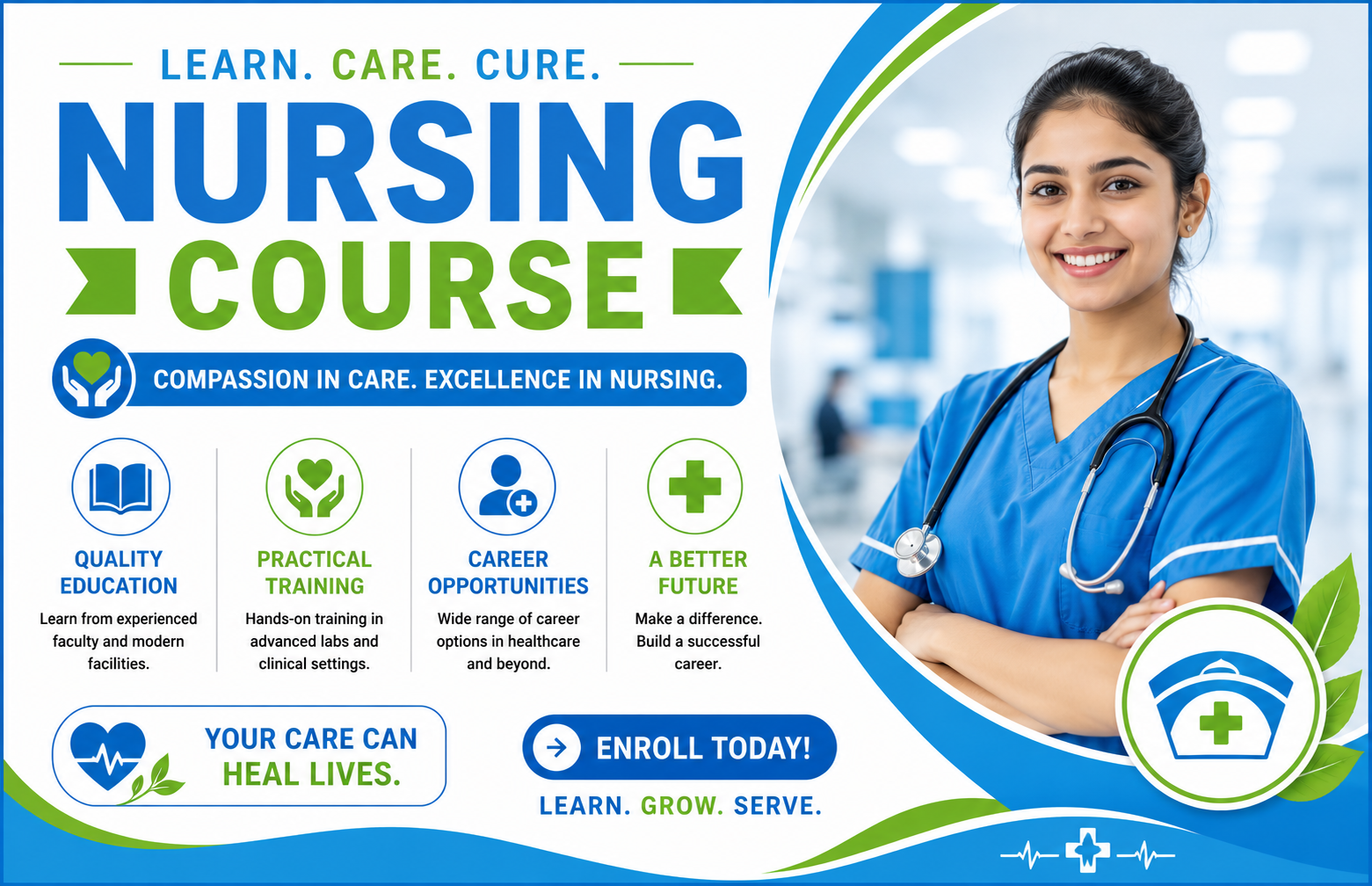
Nursing encompasses autonomous and collaborative care of individuals of all ages, families, groups and communities, sick or well and in all settings. Nursing includes the promotion of health, prevention of illness, and the care of ill, disabled and dying people
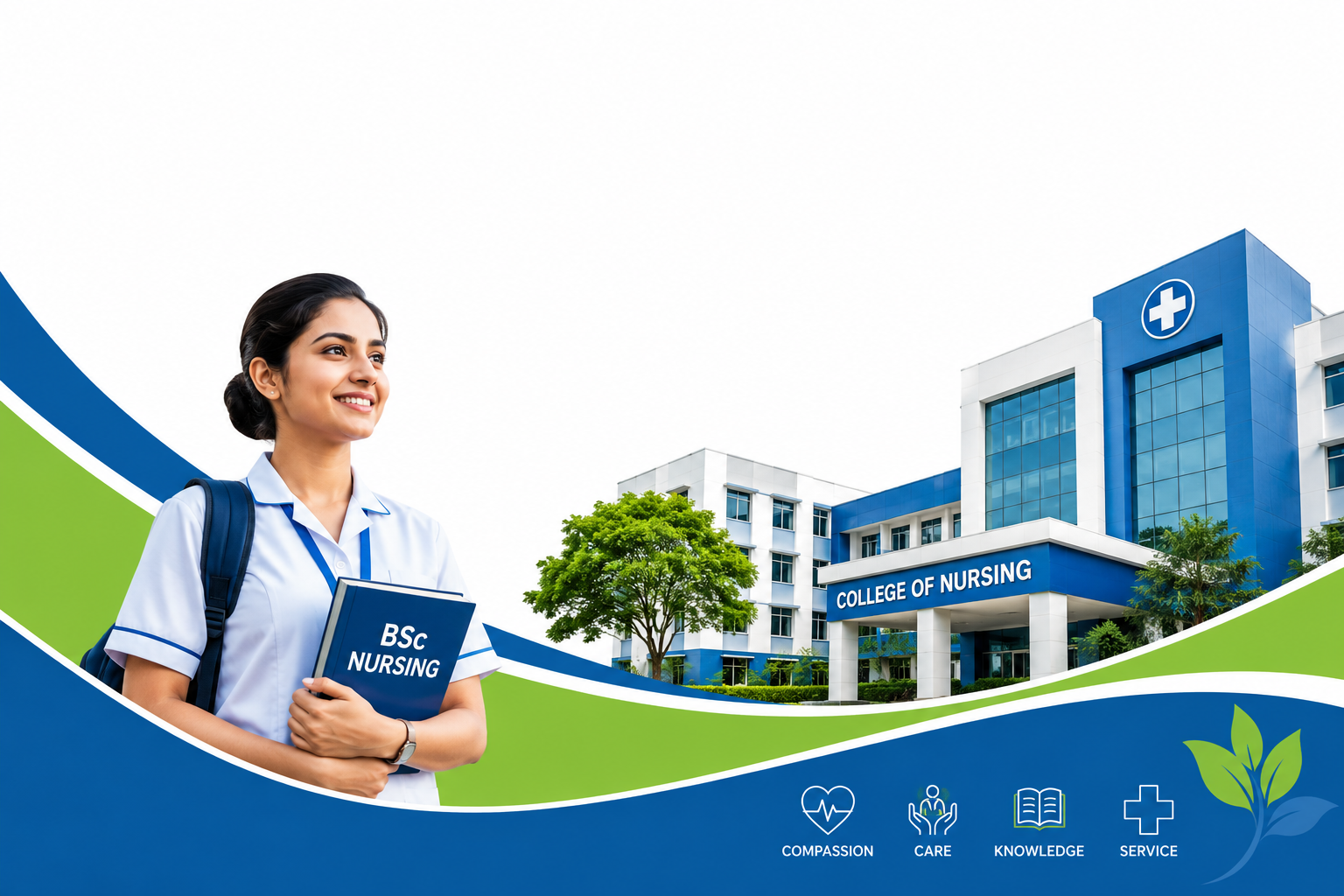
B.Sc. Nursing stands for Bachelor of Science in Nursing. It is an undergraduate degree program that prepares students to become professional nurses and healthcare providers.
Duration: Usually 4 years (may vary by country).
Eligibility: Typically requires completion of high school with science subjects such as Biology, Chemistry, and Physics.
Subjects Studied:
Anatomy and Physiology
Nutrition
Pharmacology
Medical-Surgical Nursing
Community Health Nursing
Pediatric Nursing
Mental Health Nursing
Midwifery and Obstetrics
Graduates can work as:
Staff Nurse
Clinical Nurse
Community Health Nurse
Nursing Educator
ICU/Emergency Nurse
Hospital Administrator
B.Sc. Nursing graduates can find jobs in:
Hospitals
Clinics
Community Health Centers
Nursing Homes
Military Medical Services
Educational Institutions
They can also pursue higher studies such as:
M.Sc. Nursing
Nursing Specializations
Public Health programs
Healthcare Management courses
B.Sc. Nursing is a good choice if you are interested in healthcare, patient care, and working in the medical field.
01.jpg)
GNM stands for General Nursing and Midwifery. It is a diploma-level nursing program that trains students to provide nursing care and assist in maternal and child healthcare.
Course Duration: Typically 3 years, plus an internship period (depending on the institution and regulatory requirements).
Eligibility:
Completion of 10+2 (Higher Secondary) from a recognized board.
Minimum marks requirements vary by institution and state.
Both science and non-science students may be eligible, subject to current admission rules.
Subjects Covered:
Nursing Foundations
Anatomy and Physiology
Community Health Nursing
Medical-Surgical Nursing
Child Health Nursing
Mental Health Nursing
Midwifery and Gynecology
After completing GNM, graduates can work as:
Staff Nurse
Community Health Nurse
Home Care Nurse
Clinic Nurse
Nursing Assistant in hospitals and healthcare centers
They may find employment in:
Government hospitals
Private hospitals
Clinics
Primary Health Centers
NGOs and community health programs
After GNM, many students pursue:
Post Basic B.Sc. Nursing
B.Sc. Nursing (subject to eligibility and institutional rules)
Specialized nursing certifications
In India, nursing education and professional registration are regulated by the Indian Nursing Council.
If you're in Tamil Nadu and considering GNM, I can also explain:
admission requirements for 2026,
fees,
government vs private colleges,
salary prospects after GNM,
or the difference between GNM and B.Sc. Nursing.
Post Basic B.Sc. Nursing is an undergraduate nursing degree designed specifically for nurses who have already completed a diploma in nursing and want to upgrade their qualifications to a bachelor's degree.
Typically, candidates must have:
Completed a General Nursing and Midwifery (GNM) diploma from a recognized institution.
Registered as a nurse and midwife with the relevant nursing council.
Met any additional requirements set by the college or university.
Usually 2 years (full-time) in India.
The program builds on GNM training and includes subjects such as:
Nursing research and statistics
Community health nursing
Medical-surgical nursing
Child health nursing
Mental health nursing
Nursing management and education
Upgrades a diploma qualification to a bachelor's degree.
Improves eligibility for higher studies such as M.Sc. Nursing.
Can enhance opportunities for promotions, teaching positions, administrative roles, and specialized nursing careers.
May improve eligibility for nursing jobs in some countries and healthcare organizations.
| B.Sc. Nursing | Post Basic B.Sc. Nursing |
|---|---|
| For students after 10+2 (Science) | For qualified GNM nurses |
| Usually 4 years | Usually 2 years |
| Entry-level nursing degree | Degree-upgradation program |
| Includes complete basic nursing training | Builds on existing nursing knowledge |
If you're considering admission, I can also explain the eligibility, admission process, fees, and career opportunities for Post Basic B.Sc. Nursing in India for 2026.
01.jpg)
MSc Nursing is aimed at imparting knowledge on nursing and applied sciences so that the nurse would act as a consultant in clinical practice. See Also: Paramedical Courses in AIIMS. The course delivery method for MSc Nursing includes seminars, lectures, extensive lab, and practical work, and on-field training.






Your Future is Created by what you do Today not Tomorrow
UDYAM REGISTRATION NUMBER : UDYAM-TN-03-0125460
© Bright Life All Rights Reserved
